Port Reports from Komarno
In his atmospheric reportage, Máté Tamáska tells the story of the port of Komárom – a place caught between an industrial past, a stagnant present and an uncertain future. Amidst rusting freight wagons, red warehouses and the vast expanse of the Danube, a picture emerges of a port that is at once a world of work, a place of remembrance and a lost modernity.
With poetic precision, Tamáska describes the tensions between urban development and industry, between a leisure-oriented society and working-class consciousness. His observations transform the port into more than just a backdrop: into a mirror of the social changes taking place along the Danube and in Central and Eastern Europe.
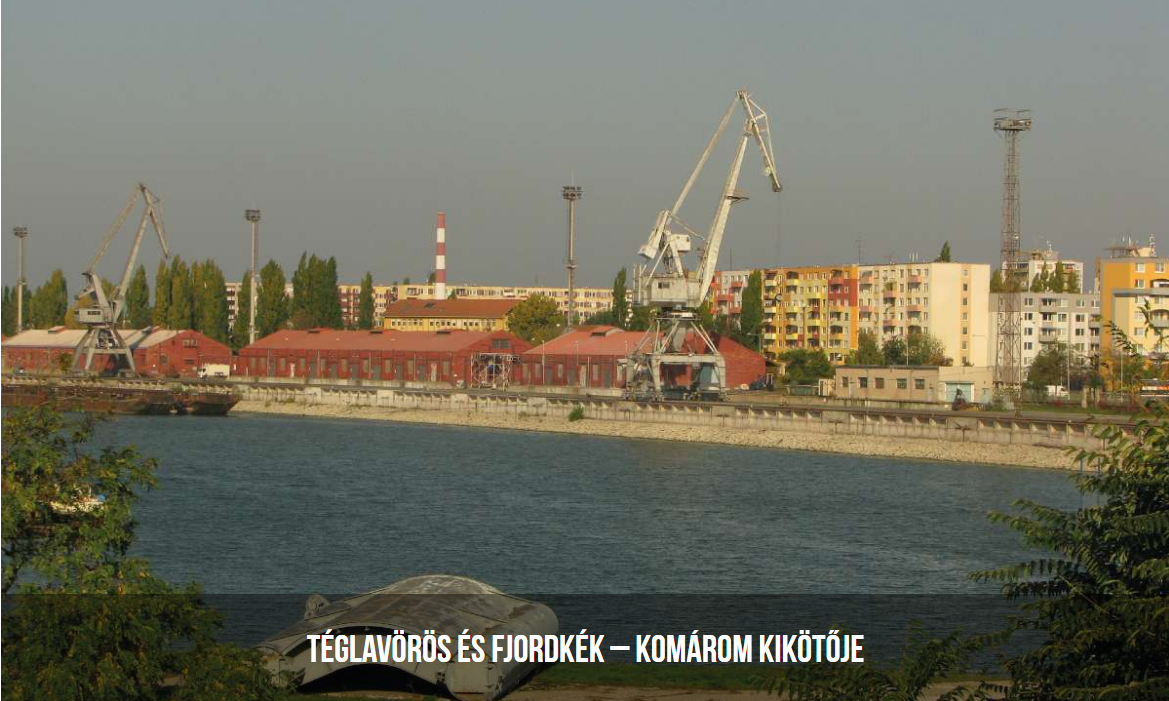
You can access the original text – including images – here:
You can find the translation of the text in English here:
The new volume 14 (61) of Danubiana Carpathica features the article ‘Waterfront Komárno. Topography of a Small Town's National Port’ by the Hungarian architectural sociologist Máté Tamáska. In it, Tamáska focuses on the Danube harbour of the southern Slovakian town of Komárno, located on the border with Hungary. He examines the history and the associated transformation process of the harbour from an architectural and social perspective.
The article can be viewed at the following link: